Cremation for goats, sheep and pigs in Vancouver
Losing a named goat, ewe or kunekune hurts, and the paperwork of livestock rules on top of that can feel cold. We explain the options in plain English and can email you local choices.
- What to do in the first few hours
- Disease reporting, explained plainly
- Keepsakes: fleece, feathers, halter
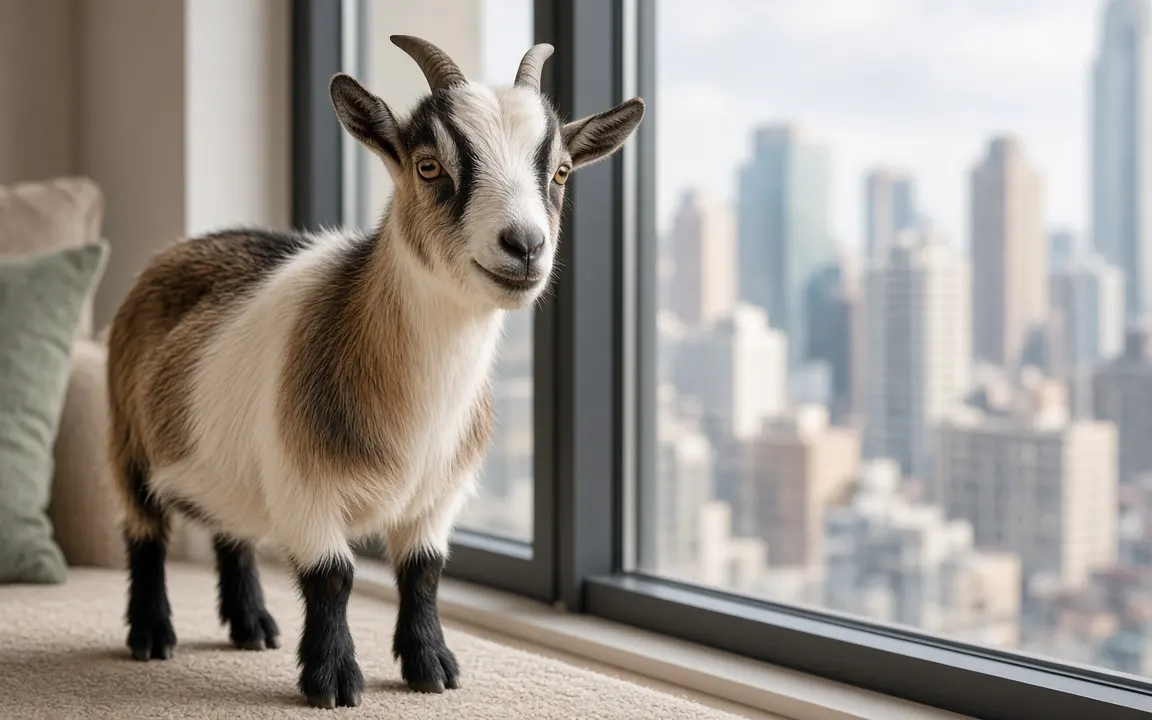
Vancouver, British Columbia
What arranging farm animal cremation in Vancouver is like
The Fraser Valley's rich farmland holds dairy herds, sheep, goats, alpacas and horses, and its wet winters leave pastures soft for months. The November 2021 atmospheric river floods showed how quickly low-lying farms around Abbotsford can be cut off. When you request help for a large animal, describe the ground, gate widths and whether a truck with a winch can reach the barn safely.
Hobby farmers and riders around Metro Vancouver often keep a single pony, a pair of goats or a retired horse on a small acreage in Delta, Surrey or Maple Ridge, and those animals are pets as much as livestock. If you would prefer individual cremation to rendering, talk it through with your large-animal vet while the animal is still healthy, including where a vehicle could park if the lane is flooded.
Emergency vet hospitals in Vancouver see plenty of dogs and cats but fewer goats, sheep and pigs, so the first call after a sudden death may be to a mixed-practice or farm vet on the metro fringe. They're also the people most likely to know which crematory takes farm species at your animal's weight. If the death was unexpected, ask whether a post-mortem is worth doing before anything else is arranged; it's hard to go back afterwards.
About 631,000 people live in Vancouver, which makes it the largest of the 6 British Columbia communities we cover.
If you want to compare providers, look at North Vancouver (3 miles), West Vancouver (6 miles) and Surrey (19 miles). Distance matters because pickup fees and the time until the ashes come back both grow with the drive.
87%[1]
British Columbia's cremation rate is estimated at about 87%, the highest in Canada.
$600-$1,000[2]
Cremating a 1,000-pound horse was reported to cost about $600-$1,000, depending on location and the price of propane.
3-5% of body weight[3]
Embrace notes cremated remains typically weigh about 3-5% of the pet's original body weight.
The numbers above come from Extension Horses (eXtension national Cooperative Extension) and Embrace Pet Insurance, if you'd like to read the original sources.
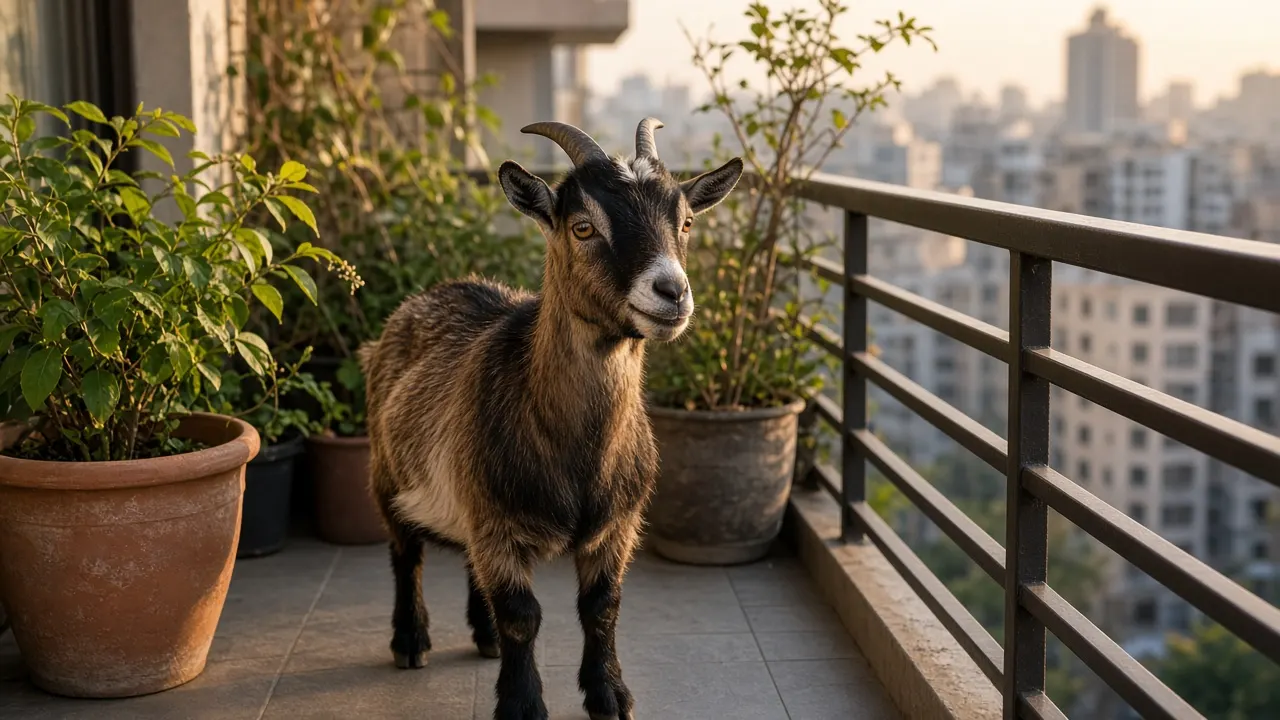
Local customs, and where a farm pet fits
Since cremation accounts for around 87%[1] of human deaths in British Columbia, relatives and neighbors are unlikely to find it strange that you want your pig's or alpaca's ashes. What may surprise them is the bill: a heavy animal is priced by weight, and collection from a farm adds more. Settle the budget early, and the decision is yours alone.
The British Columbia percentage above is from DFS Memorials 'Cremation Nation' (estimate citing CANA) (2025) and refers to human funerals. Treat it as context for Vancouver, not as a count of pets.
Planning around the seasons in Vancouver
Local weather affects two things: how quickly your animal needs to be collected, and whether burying or scattering outdoors is practical. In cold months the ground may be frozen; in hot months speed matters more than anything. Your vet or provider in Vancouver will know the seasons, so ask what they'd do at this time of year.

What farm animal cremation costs in Vancouver
Provincial rules for dead livestock apply to pet goats, sheep and pigs as well, and many keepers use a licensed deadstock collector as the lower-cost option, with nothing returned. If you want your animal's ashes, private cremation is the route; the table shows published Canadian reference prices for animals in the weight ranges most farm pets fall into.
The British Columbia price table breaks costs down by size; our services page explains what sits behind each line.

Free tool
Cremation cost calculator
Estimate a realistic price range for your pet's size, location and the type of cremation.
Rules worth knowing in British Columbia
Rules for dead farm animals change more across borders than almost any other part of pet aftercare. England bans burying pet pigs, sheep and goats; many US states allow it with conditions; California even bans composting whole sheep and goats. The general notes for British Columbia follow. Treat them as the pet baseline and check livestock rules on top.
For what Vancouver itself says, see City of Vancouver. Its pages cover municipal collection; a private cremation is arranged separately.
In Canada, each province sets its own rules for dead livestock, and they generally apply to pet goats, sheep and pigs too. Ontario, for example, has a dedicated deadstock regulation covering burial, composting and licensed collectors. Winter matters: frozen ground rules out burial for months in much of the country, so many keepers cremate first and scatter the ashes in spring.
Home burial and scattering are governed at the British Columbia level first; our British Columbia rules summary has the detail. Then check whether Vancouver or your HOA adds anything.
Step by step, from the field to the ashes
- Move the body into shade or a cool barn, lay it on its side on straw or a tarp and cover it loosely against flies. Don't seal it in plastic.
- Keep the rest of the herd or flock calm. Let a bonded companion see and sniff the body for a few minutes if it seems to help, then move it out of sight.
- Call your vet when the animal died without warning or you don't know why. Certain illnesses of pigs, poultry, sheep and goats carry a reporting duty that comes ahead of everything else.
- Decide whether you want your animal's own ashes. Everything else follows from that answer, because it narrows the field to fallen-stock collection, communal cremation or a private cremation.
- Weigh or estimate the weight honestly, then state it alongside the species as soon as you ring. Plenty of pet crematories set a limit far under what an adult pig or goat weighs.
- Ask for a written total that bundles the cremation, pickup, mileage and urn, and have it before any vehicle leaves.
- Take keepsakes before collection: a lock of fleece, a few feathers, the halter or collar, an ear tag.
Ways to remember a farm companion
Vancouver itself has few large animals, though the Southlands neighborhood near the Fraser River still has stables. Most large animals in the region live in the Fraser Valley, among dairy herds, poultry barns, horse properties around Langley and a number of farm sanctuaries. When a large animal dies, rendering or disposal through farm channels is common for commercial stock, while individual cremation with ashes returned is possible for companion animals.
The services page is the place to compare what is included, or look at how readers voted in our polls, use the free tools before you ring anyone, browse in-depth guides or recent articles. You can also browse every city in Canada. Nearby, we also cover Victoria, Kelowna, Surrey and North Vancouver, and every city in British Columbia.

Reader polls
What would you choose?
Vote anonymously and see how other readers answered. The results are live counts from people who visit this site, so they show real opinions, not a scientific sample.
Before today, did you know the burial rules for farm species where you live?
Tap an answer to vote and see how others answered. Anonymous.
Would you want your animal's own ashes returned?
Tap an answer to vote and see how others answered. Anonymous.
If you had to decide today, which aftercare would you choose for your pet?
Tap an answer to vote and see how others answered. Anonymous.

Free tools to help you plan
Cremation cost calculator
Estimate a realistic price range for your pet's size, location and the type of cremation.

Livestock mortality planner
Plan disposal capacity and costs for farm losses, from one animal to a herd.

Urn size calculator
Find the urn volume you need from your pet's weight, plus keepsake and sharing options.
Questions people ask
Can a provider from a neighbouring town collect from Vancouver?
Usually yes. North Vancouver is about 3 miles away, West Vancouver is about 6 miles away and Surrey is about 19 miles away, all inside a normal collection radius. Get the mileage written into the quote so there is no surprise on the day.
Is cremation common in British Columbia?
For people, yes: about 87%[1] of British Columbia deaths end in cremation, according to DFS Memorials 'Cremation Nation' (estimate citing CANA) (2025). Nobody publishes the same figure for pets, but in our experience pet choices in Vancouver follow the human pattern closely, so cremation is the default most families here start from.
Can my goat or sheep be cremated with its halter or blanket?
Many providers allow a natural-fiber halter, a cotton blanket or a handful of hay to go with the animal, but metal buckles, bells and plastic ear tags are usually removed first. If you'd like to keep the halter or bell, say so; it's one of the most common keepsakes. Check what the provider allows before the day so nothing precious goes by mistake.
Can I bury my pet sheep or goat on my property in Vancouver?
It depends on the country and the species. Many places treat pet sheep, goats and pigs as farmed animals and send them to approved collection or rendering rather than allowing burial, while others permit burial on rural land with depth and distance rules. Your vet or local animal health authority can tell you what applies at your address.
How big an urn do I need for a goat or sheep?
Plan on roughly a cubic inch of capacity for every pound your animal weighed[5]. A 70 lb pygmy goat then needs around 70 cubic inches and a 140 lb ewe around 140, more than most standard pet urns hold. Scattering most of it? A scatter tube plus a small keepsake urn works well. Our urn size calculator will work out the numbers.
Can I keep backyard chickens and goats in Vancouver, and does that change aftercare?
Many local rules allow a few hens, and some allow miniature goats or a pet pig, usually with limits on numbers. The same rules often restrict burying livestock in built-up areas, and leases or homeowner and residents' associations can be stricter. In practice, most city keepers choose cremation, which avoids the question. Check before planning a burial.


Sources and our estimates
- [1] British Columbia's cremation rate is estimated at about 87%, the highest in Canada. DFS Memorials 'Cremation Nation' (estimate citing CANA), 2025.
- [2] Cremating a 1,000-pound horse was reported to cost about $600-$1,000, depending on location and the price of propane. Extension Horses (eXtension national Cooperative Extension) - Horse Disposal Options, 2019, 2019.
- [3] Embrace notes cremated remains typically weigh about 3-5% of the pet's original body weight. Embrace Pet Insurance - Bury or Cremate Your Dog? Costs, Pros & Cons, 2025.
- [4] Each HPAI-infected premises averaged about 102,814 affected birds (Feb 2022-Sep 2025). Our estimate: 179,000,000 / 1,741. How we calculate.
- [5] Using the industry rule of thumb of 1 cubic inch of urn space per pound of body weight, a 12 lb cat needs an urn of about 12 cubic inches; a 70 lb dog needs about 70 cubic inches. Our estimate: urn cu in = body weight lb x 1 (industry rule of thumb, not a measured value). How we calculate.
Get local prices for your animal's weight
Tell us what you need and where you are. We'll reply by email with clear options and prices so you can decide in your own time.