When a hobby-farm animal dies in Vienna
A 150 lb goat or a pot-bellied pig won't fit the plans most pet crematories are built around. This guide explains your real options, from private cremation to farm-gate collection, and what each one costs.
- Honest prices by body weight
- Farm collection, winch and trailer tips
- Fallen-stock and communal options too
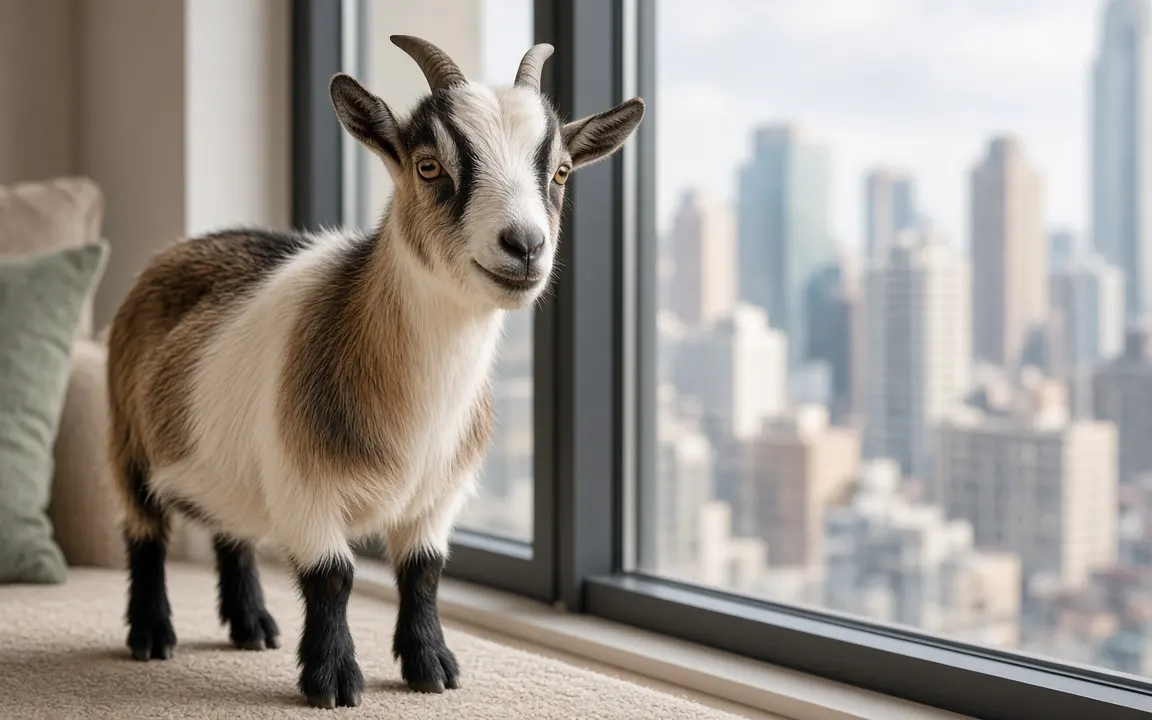
Vienna, Austria
Where farm species go after a death near Vienna
In Austria, farm livestock that dies normally goes to an authorised collection service, and ashes are not returned. A companion goat, a family horse or an animal at a sanctuary can be treated differently, but only some providers have equipment large enough to cremate it individually. Your vet or the farm's usual contacts will know who does; ask about weight limits, timescales and what the alternatives are if cremation is not possible.
Winter in eastern Austria can bring snow and hard frost, and summer heat on the Pannonian plain to the east can be intense. Both affect how quickly a large animal must be collected and whether a lorry can reach a field or barn. For an older cow, horse or sanctuary animal, it is worth discussing arrangements with your vet well ahead, including costs for collection, cremation and the return of ashes.
Traffic changes the logistics in a place like Vienna. A body that weighs 150 lb or more needs two people and a vehicle with a ramp or tail-lift, and a crew crossing the metro at rush hour may take a while to reach you. Keep the animal shaded and covered while you wait, and tell the provider about gates, tight side yards or steps so they bring the right gear the first time.
About 1,897,000 people live in Vienna.
$600-$1,000[1]
Cremating a 1,000-pound horse was reported to cost about $600-$1,000, depending on location and the price of propane.
3-5% of body weight[2]
Embrace notes cremated remains typically weigh about 3-5% of the pet's original body weight.
The numbers above come from Extension Horses (eXtension national Cooperative Extension) and Embrace Pet Insurance, if you'd like to read the original sources.
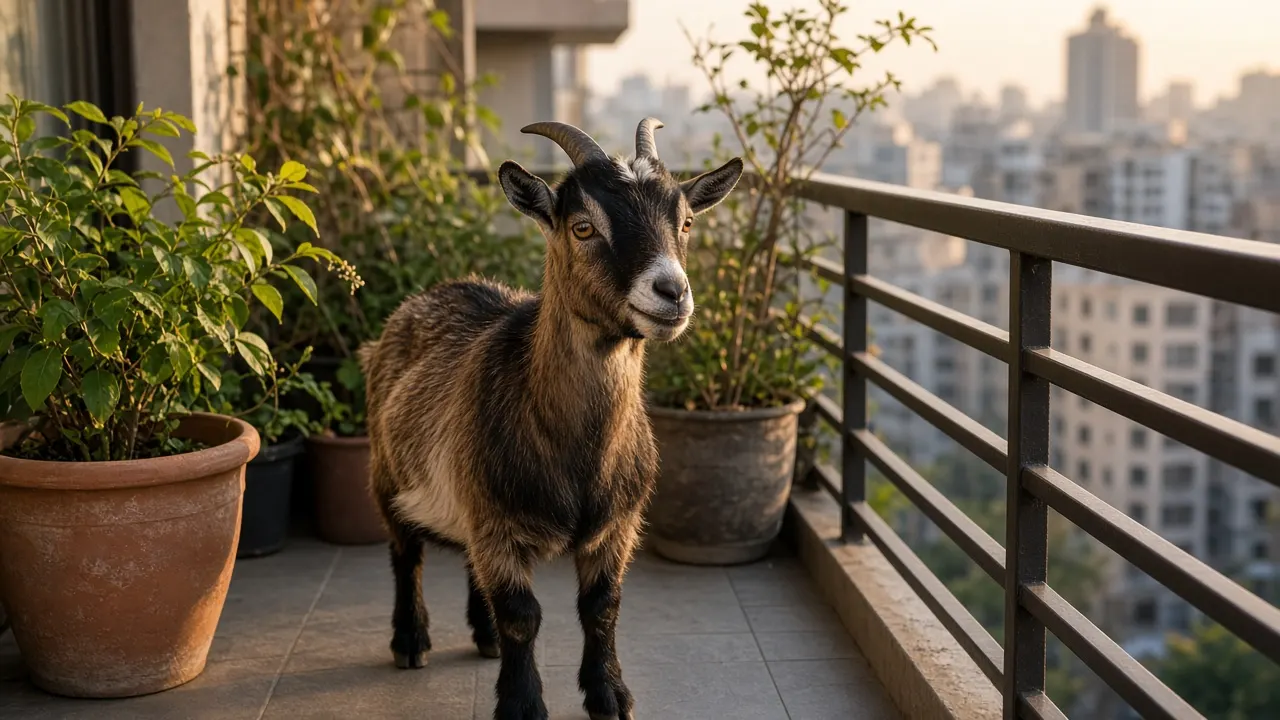
How Austria thinks about cremation
Attitudes to cremation differ from place to place, but for farm pets the practical questions are the same everywhere: is burial allowed for this species on my land, who will collect an animal this heavy, and can I have my own animal's ashes back? In Vienna, those answers depend more on livestock rules than on custom.
What the seasons mean for farm animal aftercare in Vienna
Wherever you are, the rule for a farm animal is the same: shade, cover and speed. A goat, sheep or alpaca keeps fermenting after death and can bloat within hours in warm weather, and a large body holds heat. Lay the animal on its side on straw or a tarp, cover it loosely and ask for collection within the day.

Budgeting in Vienna for a pig, ewe or goat
In Vienna, as across much of Europe, dead sheep, goats and pigs are normally handled under animal by-product rules, which favour collection by an approved service over burial. If you want your animal's own ashes back, ask a pet crematorium whether it accepts farmed species at your animal's weight, and whether individual cremation is confirmed in writing.
Prices for Vienna track the wider Austria market, so use the Austria price table as your baseline and the services page to see what is included.

Free tool
Cremation cost calculator
Estimate a realistic price range for your pet's size, location and the type of cremation.
Livestock law and pet rules in Austria
Rules for dead farm animals change more across borders than almost any other part of pet aftercare. England bans burying pet pigs, sheep and goats; many US states allow it with conditions; California even bans composting whole sheep and goats. The general notes for Austria follow. Treat them as the pet baseline and check livestock rules on top.
What to do when a farm animal dies in Vienna
- Move the body into shade or a cool barn, lay it on its side on straw or a tarp and cover it loosely against flies. Don't seal it in plastic.
- Keep the rest of the herd or flock calm. A close companion can have a few minutes to look at and sniff the body if that seems to settle it, then take it where the others can't see.
- Call your vet when the animal died without warning or you don't know why. Certain illnesses of pigs, poultry, sheep and goats carry a reporting duty that comes ahead of everything else.
- Decide whether you want your animal's own ashes. That one choice decides which providers can help: private cremation, communal cremation or fallen-stock collection.
- Weigh or estimate the weight honestly, then state it alongside the species as soon as you ring. Plenty of pet crematories set a limit far under what an adult pig or goat weighs.
- Ask for a written total that bundles the cremation, pickup, mileage and urn, and have it before any vehicle leaves.
- Take keepsakes before collection: a lock of fleece, a few feathers, the halter or collar, an ear tag.
Ashes, fleece and memories on the farm
Horses are part of Vienna's identity, from the carriages in the old town to riding yards on the green edges of the city, and beyond the limits Lower Austria and Burgenland have cattle, sheep, goats and pig farms among the vineyards. Petting farms and animal sanctuaries also sit within an hour's drive. If you care for a large animal around Vienna, tell providers about narrow lanes and steep yards, particularly in the Vienna Woods.
or look at how readers voted in our polls, Every option Vienna families choose between is on the services page, use the free tools before you ring anyone, there are guides for the big decisions and articles for the details. More local pages: the Austria overview and every city in Austria.

Reader polls
What would you choose?
Vote anonymously and see how other readers answered. The results are live counts from people who visit this site, so they show real opinions, not a scientific sample.
Would you want your animal's own ashes returned?
Tap an answer to vote and see how others answered. Anonymous.
Before today, did you know the burial rules for farm species where you live?
Tap an answer to vote and see how others answered. Anonymous.
If you had to decide today, which aftercare would you choose for your pet?
Tap an answer to vote and see how others answered. Anonymous.

Free tools to help you plan
Cremation cost calculator
Estimate a realistic price range for your pet's size, location and the type of cremation.

Livestock mortality planner
Plan disposal capacity and costs for farm losses, from one animal to a herd.

Urn size calculator
Find the urn volume you need from your pet's weight, plus keepsake and sharing options.
Questions people ask
Can I bury my pet sheep or goat on my property in Vienna?
It depends on the country and the species. Many places treat pet sheep, goats and pigs as farmed animals and send them to approved collection or rendering rather than allowing burial, while others permit burial on rural land with depth and distance rules. Your vet or local animal health authority can tell you what applies at your address.
Should the rest of the herd see the body?
Many keepers find it helps. Goats, alpacas and donkeys in particular often settle better if a bonded companion is allowed a few minutes to see and sniff the body. Stay with them, then move the body out of sight before collection. Expect calling or pacing for a few days afterwards; steady routines help.
Can I be present for my goat or pig's cremation?
Some providers offer a witnessed cremation, where you can be there as it begins. Large-animal crematories may only run big animals on certain days, so ask early. If being present isn't possible, you can still hold a short goodbye at the farm gate before collection and send a halter or a handful of hay along.
Who do I call first if a farm animal dies at night in Vienna?
If the death was expected and the animal is safe from scavengers, you can usually wait until morning: shade, cover and call your vet or the crematory first thing. If it was sudden, or several animals are ill, call an emergency or farm vet that night. Collection itself can wait for daylight in most weather.
Is a donkey treated like a horse or like livestock for burial?
It varies. Many rules group donkeys with horses, and in England equines are the notable exception to the ban on burying farm animals. Elsewhere, donkeys may fall under general livestock rules with depth and distance requirements. A standard donkey is also heavy enough to need an equine crematory. Check the rules for your area before deciding.
How long until I get my farm animal's ashes back?
Many families get the ashes within one to two weeks. A large animal can take longer, because the cremation itself runs for hours and the provider may batch large-animal days. If the crematory is in a larger centre away from Vienna, add time for the return trip, or arrange to collect the ashes yourself.


Sources and our estimates
- [1] Cremating a 1,000-pound horse was reported to cost about $600-$1,000, depending on location and the price of propane. Extension Horses (eXtension national Cooperative Extension) - Horse Disposal Options, 2019, 2019.
- [2] Embrace notes cremated remains typically weigh about 3-5% of the pet's original body weight. Embrace Pet Insurance - Bury or Cremate Your Dog? Costs, Pros & Cons, 2025.
- [3] The average value lost per dead cow or calf in 2015 was about $997. Our estimate: $3.87 billion / 3.88 million head. How we calculate.
Get farm animal cremation options near Vienna
Tell us what you need and where you are. We'll reply by email with clear options and prices so you can decide in your own time.