Goat, pig and alpaca aftercare in Darwin, Northern Territory
Whether it's a single backyard hen or a 180 lb alpaca, the questions are the same: is it legal to bury, who can collect, and can I have my own animal's ashes back? Here are the answers.
- Weight limits checked before you load
- Written totals including mileage
- No pressure, just clear local options
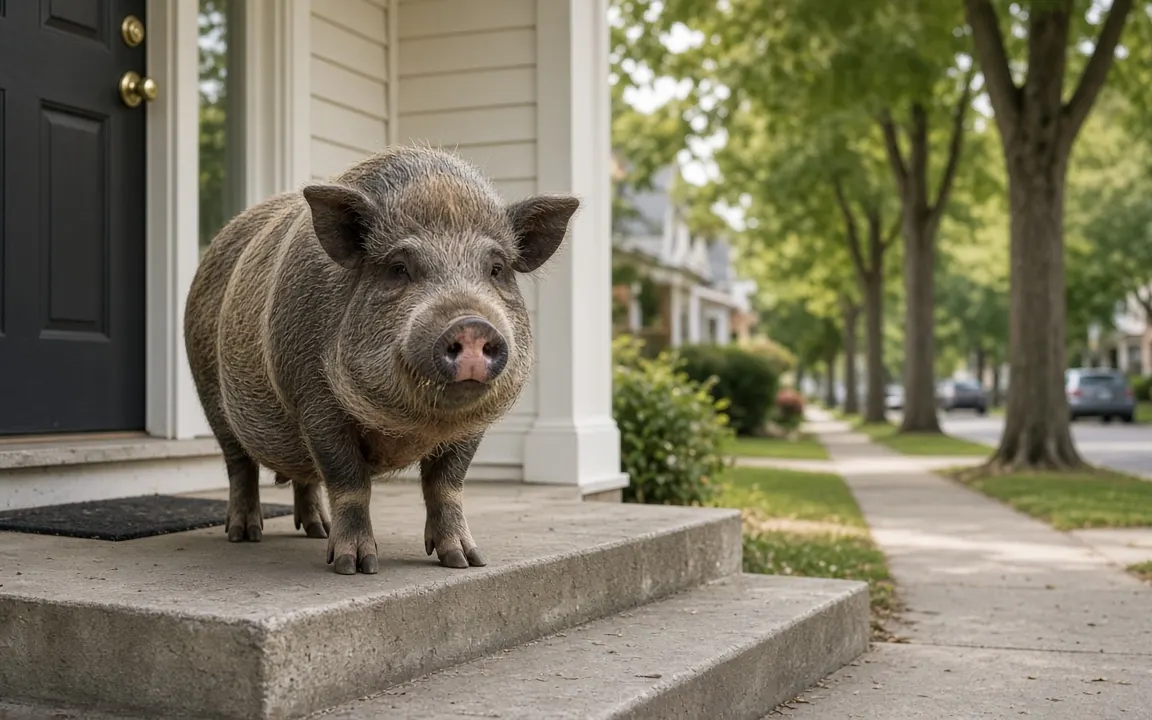
Darwin, Northern Territory
Who can help with a goat, pig or sheep in Darwin
The wet season makes large-animal aftercare in the Top End especially hard: paddocks flood, dirt roads close and the heat means a horse or cow needs attention within hours. In the dry season, access is easier but the ground can be hard. Ask any provider whether they collect in wet conditions and what happens if a vehicle can't reach the site.
Darwin's rural area, from Howard Springs and Humpty Doo out towards Berry Springs and Batchelor, is full of acreage blocks with horses, goats, cattle and the odd buffalo, alongside mango farms and nurseries. Further out, the Top End's cattle stations are enormous. When a large animal dies, describe the gate, the ground and how far a truck would need to travel.
If nobody in Darwin takes your species at its weight, look to a larger centre such as Darwin or to providers serving Northern Territory. Equine crematories often take donkeys, llamas and big pigs, and some charge by the pound, which can work out fairly for a mid-size animal. Ask whether they'll meet you halfway or share a collection run with another owner in your area.
Darwin's population is around 147,000.
71%[1]
Australian cremation rates hovered around 70-72% between 2020 and 2023, with Sydney and Melbourne often above 80%.
$600-$1,000[2]
Cremating a 1,000-pound horse was reported to cost about $600-$1,000, depending on location and the price of propane.
3-5% of body weight[3]
Embrace notes cremated remains typically weigh about 3-5% of the pet's original body weight.
Sources for the statistics above: Embrace Pet Insurance and Extension Horses (eXtension national Cooperative Extension).
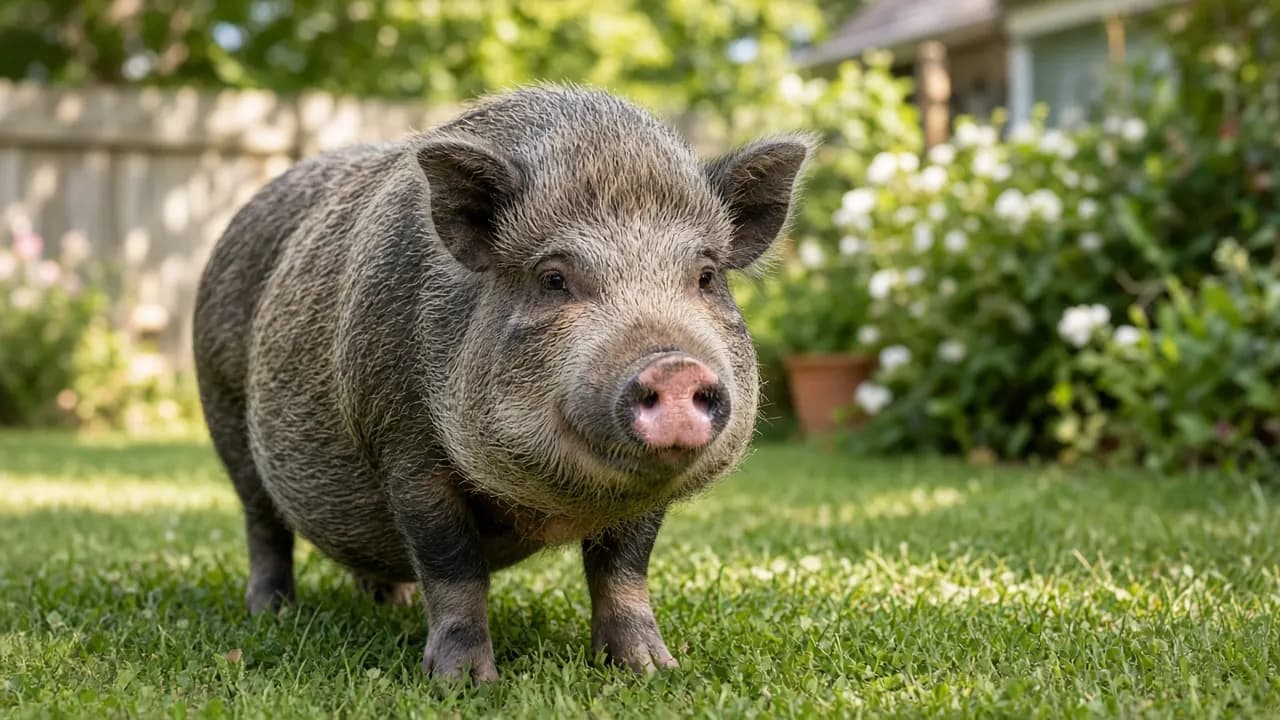
Local customs, and where a farm pet fits
About 71%[1] of people in Australia are cremated, so cremation feels ordinary. For small farm species the effect is practical: pet crematories are more numerous and more used to unusual requests, from a hen in a shoebox to two bonded wethers cremated together. For a larger animal, you may still need an equine or large-animal crematory, and those are spread more thinly.
We take the Australia rate from FuneralSmart (2023). It is a human statistic; there is no equivalent pet figure for Darwin, and we would rather show a real number than invent one.
Heat, cold and timing in Darwin
Local weather affects two things: how quickly your animal needs to be collected, and whether burying or scattering outdoors is practical. In cold months the ground may be frozen; in hot months speed matters more than anything. Your vet or provider in Darwin will know the seasons, so ask what they'd do at this time of year.

What farm animal cremation costs in Darwin
Many rural Australians and New Zealanders bury stock on their own land, where council and state rules allow. For a pet sheep, goat or pig you'd like to keep close, individual cremation is the alternative. Summer heat makes prompt collection important, so ask about after-hours fees and weight limits before you need them.
We keep the detailed Northern Territory price table on one page so it stays current: see Northern Territory prices.

Free tool
Cremation cost calculator
Estimate a realistic price range for your pet's size, location and the type of cremation.
Before you bury or compost in Northern Territory
Two things catch hobby farmers out: time limits and disease reporting. Many places expect a dead farm animal to be dealt with within a day or two, and some illnesses in pigs, poultry, sheep and goats must be reported before the body goes anywhere. Here's what applies to pets generally in Northern Territory; your vet can confirm the livestock side.
In Australia, sheep, goats and pigs need a property identification code and NLIS identification even when they're pets, so a death may need recording against your PIC. Burial on rural land is usually allowed under state and council rules, but many suburban councils restrict it. Unusual deaths can be reported to the Emergency Animal Disease Watch Hotline. Summer heat makes prompt collection important.
The Northern Territory page sets out who oversees pet cremation and what the state says about burial and scattering. Darwin's own bylaws can sit on top of that, so ask before you dig.
A practical checklist for smallholders in Darwin
- Stop and count. When two or more animals or birds have died inside a day or so and nothing obvious like a predator explains it, don't move anything yet.
- Put on gloves and keep the bodies away from the living stock. Double-bag birds; cover larger animals where they lie.
- Ring the vet, or your national animal health agency, and describe exactly what you've seen. Bird flu, swine fevers and several sheep and goat diseases are notifiable in many countries.
- Wait for the all-clear before cremation, burial or composting. Testing may be offered, and a body may need to go to a laboratory first.
- Keep visitors and borrowed equipment off the property until you know more, and scrub boots and feeders between pens.
- Once you're cleared, decide animal by animal. Plenty of keepers opt for a communal cremation for most of a flock and a private one for a single favorite bird.
Memorials that fit a smallholding
Specialist large-animal cremation may be very limited around Darwin, and distance to other options is extreme. Many owners on rural blocks bury on their own land where permitted, using an excavator, and some use a knackery. If you care for older horses or a few head of cattle, ask about options, costs and access before the wet season, so you're not deciding in a crisis.
Compare every option on our services page, try the free planning tools, or compare your instinct with the poll results, there are guides for the big decisions and articles for the details. the full list for Northern Territory and for Australia is a click away.

Reader polls
What would you choose?
Vote anonymously and see how other readers answered. The results are live counts from people who visit this site, so they show real opinions, not a scientific sample.
How do you think of the animal you've lost, or are about to lose?
Tap an answer to vote and see how others answered. Anonymous.
Before today, did you know the burial rules for farm species where you live?
Tap an answer to vote and see how others answered. Anonymous.
If you had to decide today, which aftercare would you choose for your pet?
Tap an answer to vote and see how others answered. Anonymous.

Free tools to help you plan
Cremation cost calculator
Estimate a realistic price range for your pet's size, location and the type of cremation.

Livestock mortality planner
Plan disposal capacity and costs for farm losses, from one animal to a herd.

Urn size calculator
Find the urn volume you need from your pet's weight, plus keepsake and sharing options.
Questions people ask
Is cremation common in Australia?
For people, yes: about 71%[1] of Australia deaths end in cremation, according to FuneralSmart (2023). Nobody publishes the same figure for pets, but in our experience pet choices in Darwin follow the human pattern closely, so cremation is the default most families here start from.
How much does farm animal cremation cost in Darwin?
Prices depend on weight, individual or communal cremation and collection. Published pet prices outside the US top out around the equivalent of a few hundred pounds, dollars or euros for the heaviest band, and goats, sheep and pigs usually sit at that top end or are quoted separately. Ask for a written quote in local currency.
Will a pet crematory near Darwin take a goat or sheep?
Many will, but not all. Pet crematories are built around dogs and cats, and some cap weight at around 100 to 150 lb or don't take farm species at all. Give the species and an honest weight estimate on the first call. If the answer is no, ask who they'd recommend; they usually know which local providers take larger animals.
Is it cheaper to cremate two goats or sheep together?
Sometimes. Some providers charge by combined weight for a joint cremation of bonded animals, which can cost less than two separate private cremations; the ashes come back mixed in one urn. Others price each animal on its own. If both died together, or you'd like a companion's ashes added later, ask for a price on each option before you decide.
Is a donkey treated like a horse or like livestock for burial?
It varies. Many rules group donkeys with horses, and in England equines are the notable exception to the ban on burying farm animals. Elsewhere, donkeys may fall under general livestock rules with depth and distance requirements. A standard donkey is also heavy enough to need an equine crematory. Check the rules for your area before deciding.
How big an urn do I need for a goat or sheep?
Plan on roughly a cubic inch of capacity for every pound your animal weighed[5]. A 70 lb pygmy goat then needs around 70 cubic inches and a 140 lb ewe around 140, more than most standard pet urns hold. Scattering most of it? A scatter tube plus a small keepsake urn works well. Our urn size calculator will work out the numbers.


Sources and our estimates
- [1] Australian cremation rates hovered around 70-72% between 2020 and 2023, with Sydney and Melbourne often above 80%. FuneralSmart, 2023.
- [2] Cremating a 1,000-pound horse was reported to cost about $600-$1,000, depending on location and the price of propane. Extension Horses (eXtension national Cooperative Extension) - Horse Disposal Options, 2019, 2019.
- [3] Embrace notes cremated remains typically weigh about 3-5% of the pet's original body weight. Embrace Pet Insurance - Bury or Cremate Your Dog? Costs, Pros & Cons, 2025.
- [4] Composting a 1,400 lb dairy cow would need roughly 14-16.8 cubic yards of cover material. Our estimate: 1.4 x (10 to 12 cu yd per 1,000 lb). How we calculate.
- [5] Using the industry rule of thumb of 1 cubic inch of urn space per pound of body weight, a 12 lb cat needs an urn of about 12 cubic inches; a 70 lb dog needs about 70 cubic inches. Our estimate: urn cu in = body weight lb x 1 (industry rule of thumb, not a measured value). How we calculate.
Get local prices for your animal's weight
Tell us what you need and where you are. We'll reply by email with clear options and prices so you can decide in your own time.